
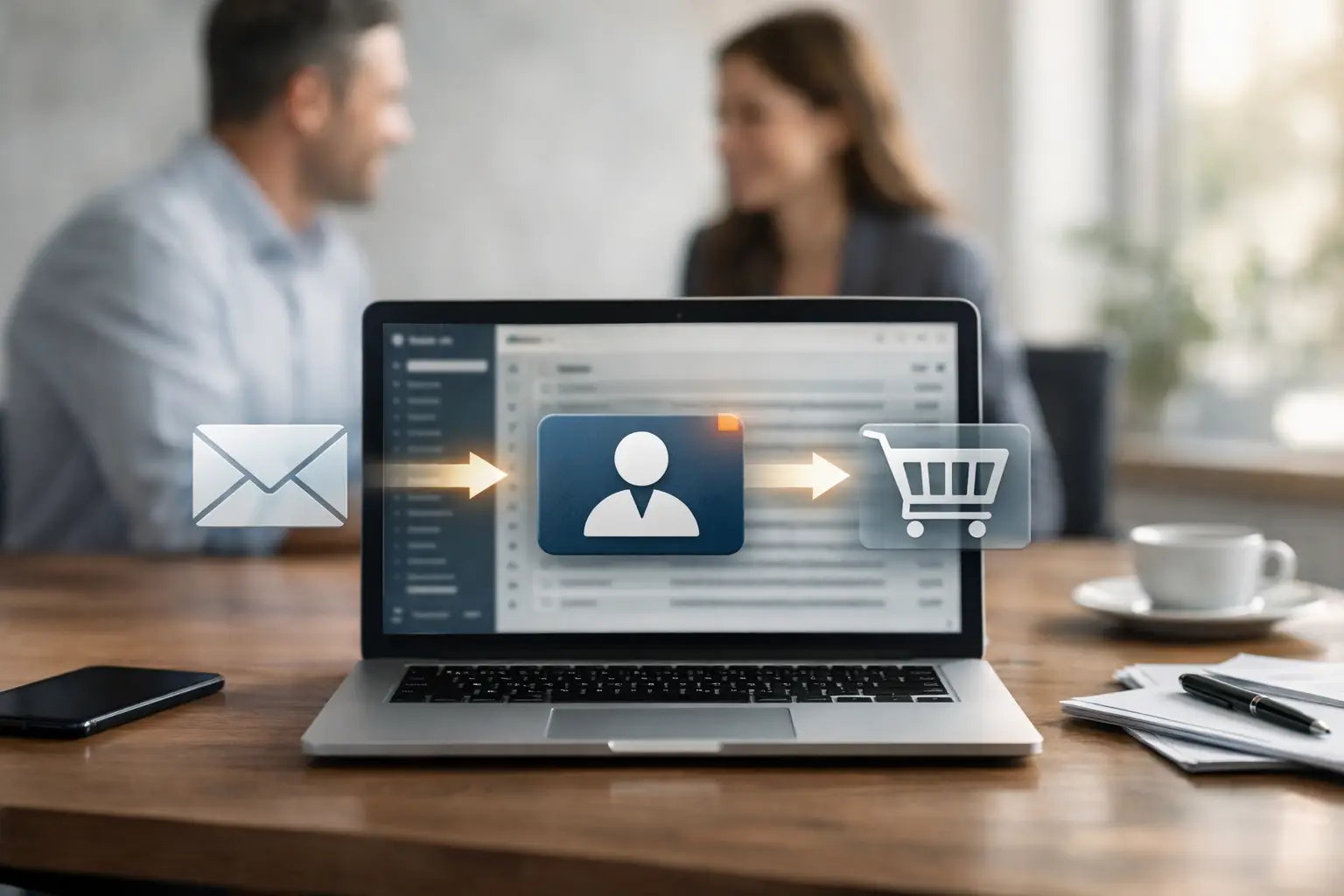
A customer who requested a quote three months ago may still need your service. A retail customer who bought once may be ready for the next thing. Yet, without a gentle reminder, your business can disappear from their mind faster than last week’s takeaway menu. That is where email marketing earns its keep.
For Australian small businesses, email is one of the most practical ways to stay visible without relying entirely on social media algorithms or continually paying for every click. Done well, it keeps your name in front of people who already know you, gives them a useful reason to come back, and turns quiet periods into fresh enquiries.
Why Email Marketing Still Works for Small Business
Social media is brilliant for reach, but you are playing on rented land. Platforms change their rules, reduce organic visibility and decide who sees your posts. Your email list is different. It is a direct line to people who have chosen to hear from you.
That does not mean every email will lead to a sale. It means you can build familiarity over time. A local plumber can remind homeowners about seasonal maintenance. A Ballina café can promote a new menu or a quiet midweek special. An accountant can send a timely EOFY checklist. These messages work because they arrive with context, not because they shout the loudest.
Email also offers value beyond immediate revenue. It can bring people back to your website, help new leads understand what you offer, collect reviews, fill appointments and encourage repeat purchases. The best result is often not one huge campaign. It is a steady, well-organised system that supports your broader digital marketing.
Start With an Email List People Want to Join
A big list is not automatically a good list. Ten thousand people who do not remember signing up are far less useful than 300 local customers who genuinely want to hear from you. Start by collecting addresses honestly and giving people a clear reason to subscribe.
Your website is the obvious place to begin. Add a simple sign-up form to relevant pages, such as your contact page, online store, booking page or blog. Tell people what they will receive. It could be helpful tips, occasional offers, new product news or local updates. Keep the promise realistic. If you say monthly updates, do not suddenly send four emails a week.
You can also collect subscribers through enquiry forms, in-store purchases, events and social campaigns, provided people actively consent to marketing communications. Avoid buying email lists. Apart from being a poor way to build trust, purchased contacts are unlikely to engage, can damage your sending reputation and may create privacy headaches.
Make the Sign-Up Worth It
An incentive can help, but it should suit your business. A retailer may offer a first-order discount. A trades business might offer a downloadable home maintenance checklist. A professional service could share a straightforward guide that answers a common client question.
The goal is not to bribe everyone into joining. It is to attract the right people and set the tone for useful communication from the start.
Send Emails That Deserve to Be Opened
Most inboxes are busy places. Your email competes with receipts, work messages, newsletters and plenty of promotional noise. That is why every campaign needs one clear purpose.
Before writing, ask what the reader should do next. Book a consultation? Browse a new range? Reply to arrange a quote? Read a useful update? If the answer is fuzzy, the email will probably feel fuzzy too.
Your subject line should be specific and natural. “Your winter air-con check before the heat hits” gives more direction than “Big news from our team”. For a local audience, a timely, relevant detail often beats a generic sales line. Keep it honest too. A clever subject line might get an open, but misleading people is a quick way to lose trust.
Inside the email, write like a real person. Use short paragraphs, plain English and one main call to action. You do not need a wall of graphics or a marketing degree to make it work. In fact, a simple email with a clear message often performs better than an over-designed one, especially on mobile.
A Good Starting Mix of Campaigns
There is no magic sending formula, because frequency depends on your customers and your industry. Still, most small businesses benefit from a mix of welcome emails, useful seasonal reminders, business updates and occasional offers.
A welcome email is especially valuable. It arrives when interest is highest and can introduce your business, explain what subscribers can expect and point them towards a popular service or product. For service businesses, it is also a handy opportunity to show why clients choose you, whether that is local knowledge, fast turnaround or hassle-free support.
Promotional emails have their place, but they should not be the whole story. If every message says “buy now”, people eventually tune out. Share practical advice, answer common questions and show the people behind the business. That is how a name in an inbox becomes a business people remember when they are ready to act.
Use Segments So the Message Feels Relevant
Not every subscriber needs the same email. A prospective customer deciding whether to work with you needs different information from a long-term client. Segmentation simply means grouping contacts so you can send more relevant messages.
You might separate customers by location, service they enquired about, purchase history or how recently they engaged. A landscaping business could send pool-area planting ideas to clients with pools, while promoting lawn care to another group. An online retailer could follow up with customers who viewed a product but did not purchase.
Do not overcomplicate this on day one. Even separating new leads from existing customers can make a noticeable difference. As your list grows, smarter segmentation helps you be more useful while reducing irrelevant sends.
Automation can make this easier. A well-planned sequence might send a welcome email after sign-up, a helpful follow-up a few days later and a gentle enquiry prompt after that. The trade-off is that automation needs careful setup. Check every message, link and timing rule before it goes live. Nothing feels less personal than receiving an offer for something you bought yesterday.
Build Trust Into Every Send
Strong email marketing is not just about clicks. It is about respect for the person on the other side of the screen. Use a recognisable sender name, make it easy to unsubscribe and include the business details required for commercial electronic messages in Australia.
Privacy matters as well. Store contact information securely, only collect what you genuinely need and be clear about how you will use it. This is good business practice, not just admin. Customers are more likely to hand over their details when they know you will treat them properly.
Timing matters, but there is no universal best day or hour. A business-to-business email may perform well during weekday mornings, while a restaurant special might get better attention closer to the weekend. Test a few times, then use your own results rather than chasing generic advice.
Measure What Leads to Real Business
Open rates can be useful, but they are not the whole story. Privacy settings can make them less reliable, and an opened email does not always mean someone is interested. Look at website visits, replies, bookings, quote requests, purchases and unsubscribes alongside opens and clicks.
If a campaign gets plenty of clicks but no conversions, check the page people land on. Is it clear, mobile-friendly and quick to load? Does it match the promise in the email? Email and website performance need to work together. A great campaign can be wasted by a clunky form or a confusing landing page.
Pay attention to patterns over several sends rather than judging one campaign in isolation. Subject lines, timing, offers and audience segments all affect results. Make one meaningful change at a time, then see what improves.
When It Makes Sense to Get Help
Email can be affordable and effective, but it still takes planning, writing, design, list management and reporting. If it keeps slipping to the bottom of your to-do list, a managed approach can save time and keep your communications consistent.
Catchy Pages can help bring your website, branding and digital marketing into the same conversation, so your emails do not feel like an afterthought. The strongest campaigns reflect the look of your business, lead to pages built to convert and support the services you are already promoting.
Start small if you need to. One useful welcome email and one well-timed monthly update can do more for customer relationships than a pile of rushed promotions. Give people a reason to remember you, make the next step easy, and your inbox can become one of your most reliable channels for growth.